



Introduction: From Protocol to Partnership
The evolution of aesthetic medicine isn’t just about more advanced technology — it’s about deeper, more human-centered care. In today’s world, personalization is no longer a luxury. It’s the baseline expectation.
Patients expect more than just results — they want care that understands their skin, lifestyle, goals, and story. This means that personalization must go far beyond preset settings or skin type categorizations. It must be woven into every step of the patient journey.
So how can you make your clinic truly personalized — not just in marketing, but in meaningful action?
Let’s explore.
1. Rethinking the Consultation: The Start of Personalization
The initial patient consultation is more than a skin evaluation — it’s where connection and trust begin. Start by asking:
• What brought you in today?
• Are you preparing for a life event?
• How much downtime are you comfortable with?
• What’s your past experience with aesthetic treatments?
• How would you define a successful outcome?
• Do you have any emotional concerns tied to your skin?
This isn’t about selling a treatment — it’s about building a relationship.
Pro tip: Update your intake forms to cover lifestyle questions, psychological readiness, and treatment goals — not just medical history.
2. Personalization Beyond Skin Type
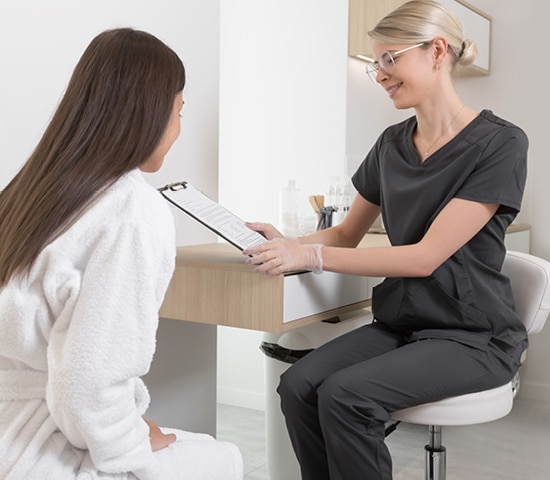
For years, treatment personalization was limited to skin types, as defined by the Fitzpatrick scale. But real-world patients need real-world customization that includes:
- Skin condition severity (acne, pigmentation, scars, etc.)
- History of previous treatments or sensitivities
- Lifestyle factors (sun exposure, stress, hormonal shifts)
- Downtime tolerance
- Emotional readiness and expectations
Remember: No two patients walk in with the same canvas — so no two treatment plans should look the same.
3. Mapping the Full Patient Journey
Every touchpoint matters — from your website, to post-treatment check-ins. Audit your full patient experience, taking stock of the following:
- Is your communication warm and personalized?
- Does your environment reflect the comfort and quality you promise?
- Are your protocols adaptable if patient needs change mid-journey?
- Do you educate patients on how to maintain results in their real-life context?
Pro tip: Follow the patient path from first inquiry to long-term loyalty, and identify 2–3 places where you can add a personal touch.
4. The Power of Personalized Technology

Technology enables personalization — but only if it’s designed to adapt. The best platforms today should offer:
- Energy settings that are adjustable in real time.
- Compatibility with multiple skin types and concerns.
- The ability to blend modalities (ablative, non-ablative, thermal, etc.).
- Interchangeable handpieces for specific indications.
- Skin analysis and responsive protocols.
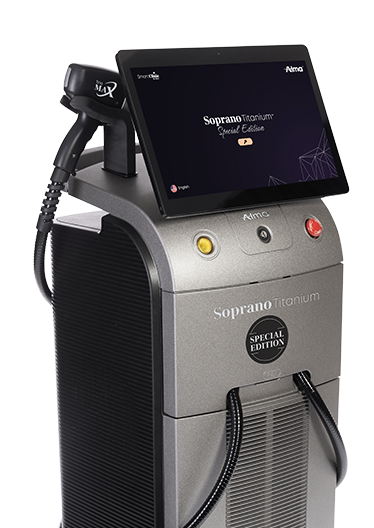
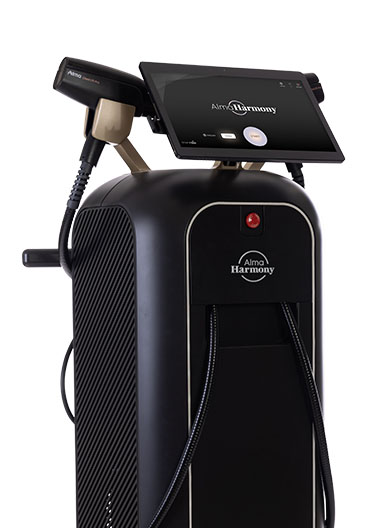
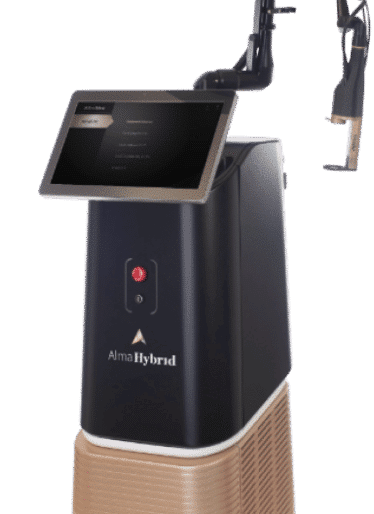
Alma’s platforms, such as Alma Harmony and Alma Hybrid, are built with personalization at their core. With smarter interfaces, protocol flexibility, and multi-layer targeting, these systems allow practitioners to shift from fixed treatments to fluid treatment journeys.
5. Reframing the Before & After Experience
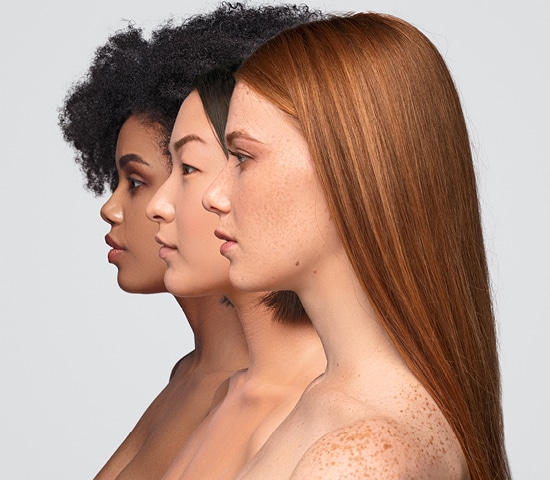
Before and after photos show the surface. But true results go deeper.
Post-treatment, ask patients:
- How do you feel about your results?
- Has this changed how you see yourself?
- Would you recommend this experience to someone else?
Adding emotional reflection builds loyalty and helps you better understand what success looks like through the patient’s eyes.
6. Train for Empathy, Not Just Expertise
Technology can’t replace emotional intelligence. Empower your team to:
- Read subtle body language and tone shifts.
- Gently address insecurities with compassion.
- Communicate with clarity, patience, and encouragement.
Pro tip: Schedule role-plays and case studies into your regular training calendar to help your team grow in emotional fluency.
The Clinical Benefits of Personalization

When treatments are personalized:
- Efficacy improves — protocols are optimized for each patient.
- Risks decrease — no over-treatment or one-size-fits-all misfires.
- Recovery is smoother — patients heal better when intensity matches tolerance.
Personalization isn’t just good care — it’s better science.
The Business Case: How Personalization Grows Clinics
Personalized care builds:
- Clinic credibility: Personalized treatments generate standout results.
- Stronger retention: Patients who feel seen return.
- Better referrals: Happy patients become advocates.
- Scalable differentiation: In a crowded market, personalized care is your edge.
Personalization Is a Practice, Not a Feature
From first conversation to final follow-up, personalization is a mindset. It lives in the small choices, the flexible protocols, the extra two minutes you spend listening.
Because, when a patient feels seen, heard, and understood, the transformation you can achieve is so much more than skin deep.
Final Thoughts: A Call to Personalize
In this industry, the most advanced part of your offering isn’t just energy-based technology. It’s care that feels personal.
Ask yourself:
- Where can we make care more personal?
- Do we have the tools and training to support it?
- Are we creating experiences that feel human, not transactional?
Because when we personalize, we don’t just treat skin.
We change lives.




 Dr. Dean Berman, Global Medical Director of Injectables at Alma